Insider Tips for Buying Formula 1 Tickets: Your Ultimate Guide
The roar of the engines, the smell of burning rubber, the energy of a packed grandstand — there's nothing in sports quite like a Formula 1 race weekend. But before you can soak it all in, you need to get your hands on the right tickets. Whether you're a first-timer or a seasoned fan, the F1 ticket-buying landscape can be surprisingly tricky: different circuits sell through different platforms, prices swing wildly depending on timing, and the wrong purchase can leave you with a fake ticket and an empty seat.
With 24 races on the 2026 F1 calendar — including sprint weekends in Miami, Canada, Silverstone, Zandvoort, Singapore, and Shanghai — demand is higher than ever. This guide breaks down everything you need to know to buy Formula 1 tickets with confidence this season and beyond.

When Do 2026 F1 Tickets Go on Sale?
There's no single on-sale date for F1 tickets. Each circuit sets its own timeline, and release windows can vary by months. Many 2026 races are already available through the official F1 Ticket Store and circuit websites, including Japan, Bahrain, Miami, Canada, Monaco, Barcelona, Austria, Britain, Belgium, Hungary, Netherlands, Italy, and Madrid.
As a general rule, most circuits open sales six to ten months before race day, often with early-bird pricing that climbs as the event approaches. Some circuits offer presales for credit card holders — for instance, American Express cardholders got early access for both Australia and Madrid. If you already know which race you want to attend, buying early almost always saves money and gives you the best seat selection.
How to stay ahead: Sign up for mailing lists on both the official F1 Ticket Store and your target circuit's website. Set calendar reminders for expected on-sale dates — popular races like Monaco, Singapore, and Miami can sell out within days of going live.
Buy Directly from Official Sources
Each circuit handles ticketing differently. Some sell directly through their own website, while others partner with platforms like Ticketmaster or regional vendors (Canada, for example, uses Evenko). Whenever possible, buy straight from the circuit's official ticketing page — it guarantees authenticity, and you'll often find early-access deals or bundle discounts that third-party sites can't match.
If a race is sold out through official channels, authorized resellers recommended by the circuit or Formula 1 organizers are your next best bet. These partners guarantee legitimate tickets and sometimes offer hospitality upgrades that aren't available elsewhere.
Understand Your F1 Ticket Options
Not all F1 tickets are created equal, and prices vary dramatically across the calendar. The average three-day F1 ticket price across the 2026 calendar sits at around $536 USD, but that number hides a huge range depending on the race and ticket tier.
General Admission — The most affordable option, typically starting around $130–$300 USD for a three-day weekend depending on the circuit. You'll have access to open viewing areas but no assigned seat. Great for fans who like to move around, though sightlines vary significantly by track — some circuits offer open access to most of the grounds, while others restrict GA to smaller areas.
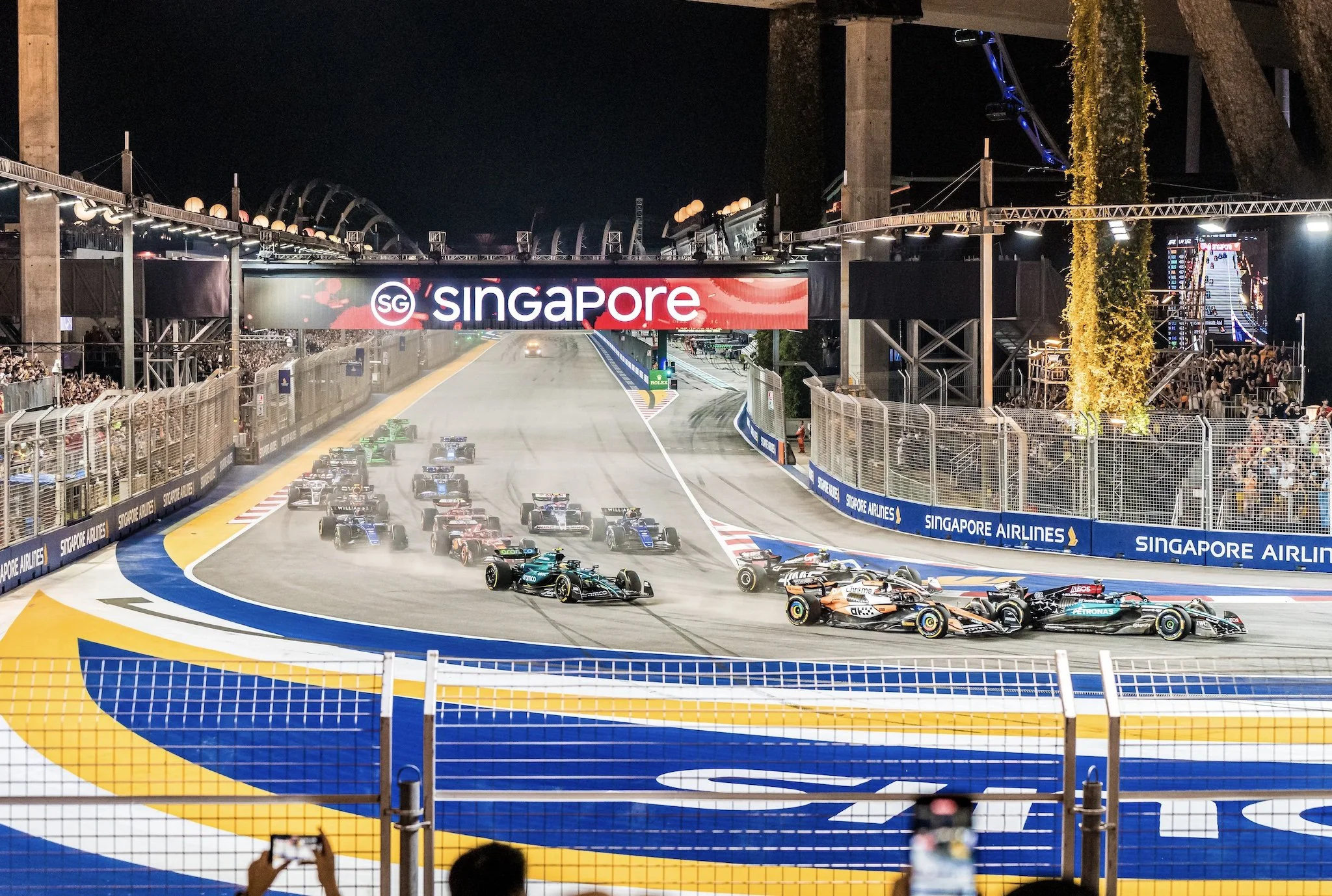
Grandstand — A reserved seat in a specific stand with a clear view of a section of track. Pricing varies by location — stands near the start/finish straight or key overtaking zones command a premium. Three-day grandstand tickets generally range from $300–$800 USD at most circuits, though marquee races like Monaco, Singapore, and Miami run higher.
Hospitality — Premium packages that include reserved seating plus extras like open bars, gourmet dining, pit lane walks, and sometimes driver appearances. Entry-level hospitality packages at some European circuits can start under $2,000 USD for the weekend, while top-tier options exceed $10,000 USD.
Paddock Club — The ultimate VIP experience. Access to the F1 Paddock, behind-the-scenes tours, world-class catering, and views directly above the pit lane. Expect to pay $6,000–$8,000+ USD for three-day access.
Choosing the right ticket type depends on your budget, how important sightlines are to you, and whether the extras that come with premium packages matter for your trip.
The Best Time to Buy F1 Tickets
Timing matters — a lot. Here's a general framework for when to pull the trigger:
8–10 months out — This is when most circuits first release tickets, often with early-bird discounts. Bahrain, for example, offers phased discounts of up to 20% for the earliest buyers. This window gives you the widest seat selection and the best prices.
4–6 months out — Most races are well into general sale by now. Popular grandstands at high-demand races may already be sold out, but good options usually remain. Prices have typically risen from launch.
1–3 months out — You're now competing for remaining inventory. Some circuits introduce dynamic pricing (Silverstone and Madrid both use this model), meaning prices can climb the longer you wait. On the flip side, lesser-known races may still have solid availability.
Last minute — Risky territory. Official channels may be sold out, pushing you toward the resale market where scams are more common and prices are unpredictable. If you're buying last minute, stick to verified resale platforms with buyer protection.
Factor In the Bigger Picture
A Grand Prix ticket gets you into the circuit — but a race weekend involves a lot more than what happens on track. Before you book, think about the logistics that surround your ticket purchase.
Location and transport — Some circuits sit right in the city center (Singapore, Monaco), while others are a significant drive from the nearest town (Spa, Silverstone). Factor in how you'll get to and from the track each day.
Accommodation — Hotels near popular circuits book up fast and prices spike on race weekends. The earlier you lock in accommodation, the better your options and rates will be.
Weather and comfort — An uncovered grandstand in Miami's May heat is a very different experience from a shaded hospitality suite. Consider what conditions you'll be sitting in for several hours.
Sprint weekends — Six races in 2026 feature the sprint format, meaning competitive on-track action on Saturday as well as Sunday. These weekends tend to sell out faster and often justify the extra cost of a three-day ticket.
Planning these details alongside your ticket purchase — rather than as an afterthought — makes for a dramatically smoother race weekend.
How to Avoid F1 Ticket Scams
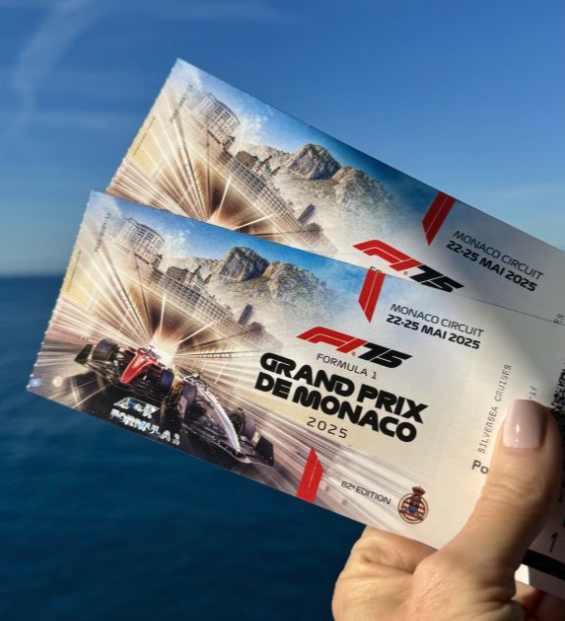
As F1's popularity has exploded in recent years, so has the number of ticket scams targeting fans. Deeply discounted last-minute listings, sellers who insist on payment via wire transfer or crypto, and tickets sold through social media DMs are all major red flags.
Stick to official channels and verified resale platforms with buyer protection. If a deal looks too good to be true, it almost certainly is. We've put together a detailed guide on how to spot fakes, verify transfers, and protect your payment — read our full guide to buying F1 resale tickets safely.
Skip the Stress — Let Us Handle It
If all of this sounds like a lot of homework, there's a reason all-inclusive F1 travel packages exist. At Off to the Races, we take the guesswork out of the entire experience. Our all-inclusive race weekend packages bundle guaranteed authentic tickets with handpicked hotels, group excursions through the host city — think private museum tours, Michelin-star dinners, wellness classes — and on-the-ground support so you can focus on enjoying the race rather than logistics.
Unlike traditional hospitality providers, our trips are built around a group experience, connecting you with fellow F1 fans while exploring everything the destination has to offer beyond the circuit. No ticket hunting, no hotel scrambles, no logistics headaches.
