First Time at an F1 Race? Here’s Exactly What to Expect
If you're reading this, you're probably in that delicious stage of excitement and mild panic that comes with planning your first Formula 1 race. Maybe you fell down the rabbit hole through Drive to Survive. Maybe a friend dragged you along. Maybe you've always been curious and this is finally the year.
Whatever brought you here — the experience of attending a Grand Prix in person is unlike anything else in the world of sports or entertainment. It's loud. It's emotional. It's sensory overload in the best possible way. And it's significantly more fun when you know what's coming.
The majority of our Off to the Races guests attend their first ever F1 race with us, so we've guided hundreds of first-timers through this exact experience. Here's everything we wish someone had told us before our first Grand Prix.
The Weekend Structure: It's More Than Just Sunday
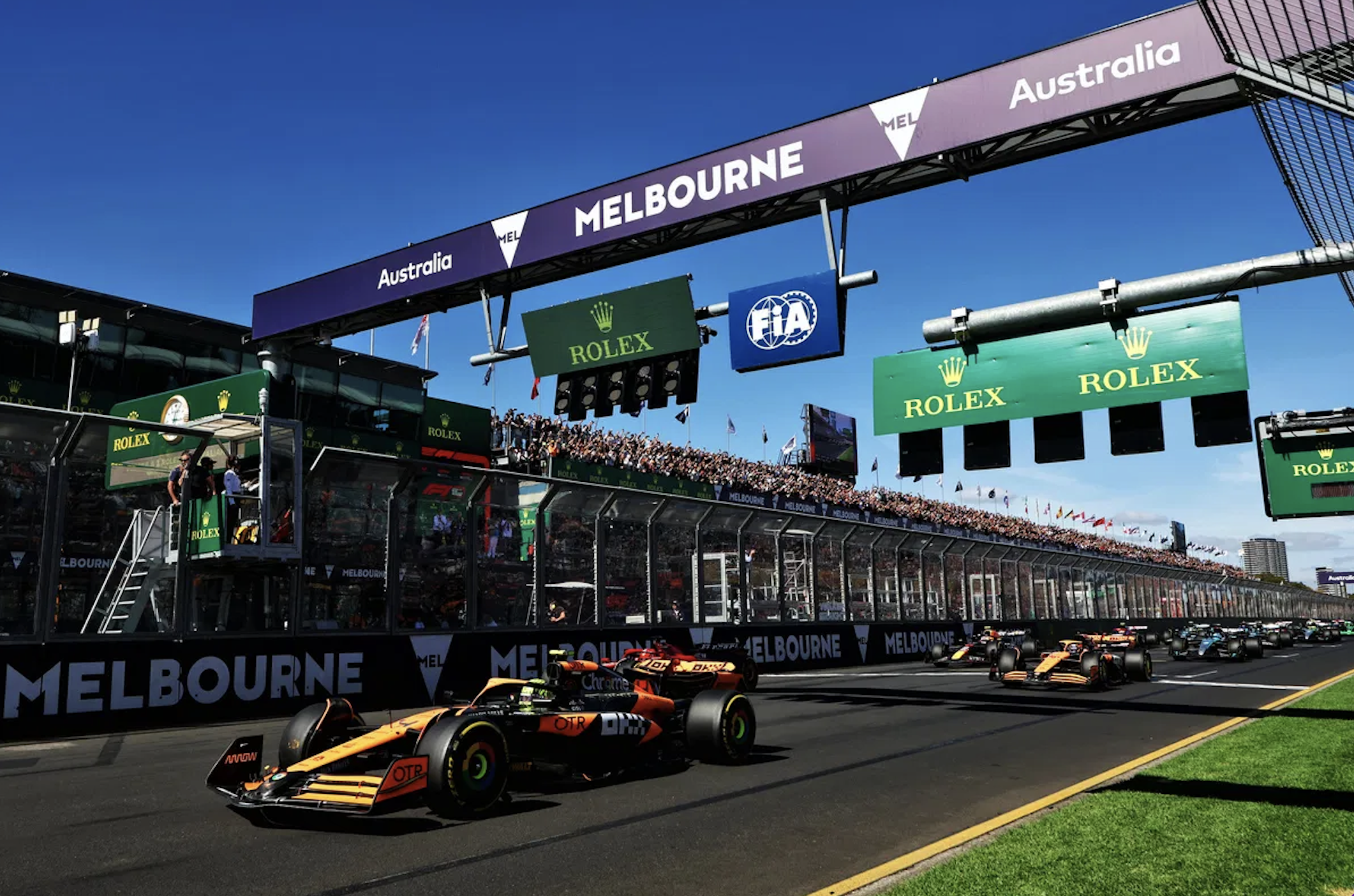
One of the biggest surprises for first-timers is that a Grand Prix isn't just a race — it's a three-day event (sometimes four if you count Thursday's track walks and fan zones). Each day has a distinct energy, and experiencing the full weekend gives you a much richer understanding of the sport.
Friday: Practice Sessions
Friday is the most relaxed day of the weekend. Two practice sessions (typically 60 minutes each) give the teams and drivers time to dial in their cars for the specific circuit. For you, this means:
The crowds are smaller, so you can explore the circuit freely, find your favorite viewing spots, and get your bearings without the crush of race day. The atmosphere is casual and unhurried — this is a great day to check out the fan zone, browse the merchandise stands, and settle into the rhythm of a race weekend. You'll hear the cars for the first time, and nothing — no TV broadcast, no video, no surround sound system — can prepare you for how loud they are. It's a physical sensation as much as an auditory one.
Insider tip: At many circuits, Friday general admission tickets let you sit in any grandstand to try different views. Take advantage of this to scout your preferred spot for race day.
Saturday: Qualifying (The Day That Sets the Grid)
Saturday is when things get serious. Qualifying determines the starting order for Sunday's race, and it's one of the most exciting sessions to watch in person.
Qualifying is a knockout format spread across three sessions (Q1, Q2, Q3). The slowest drivers are eliminated in each round, with the final ten fighting for pole position in Q3. Watching drivers push their cars to the absolute limit on a single lap is thrilling — you'll hear the crowd gasp and roar with every sector time.
If your race is a Sprint weekend (six races on the 2026 calendar feature sprints), Saturday also includes a short Sprint race — essentially a 100km mini-race that awards championship points. It's an appetizer before Sunday's main event.
Saturday night is typically when the social scene around a Grand Prix really comes alive. Restaurants near the circuit fill up, bars buzz with fans debating qualifying results, and the anticipation for race day starts to build. This is a great evening for a special dinner or a cocktail with fellow fans.
Sunday: Race Day
This is what you came for. Race day is an all-day event, and the energy from the moment you arrive at the circuit is electric.
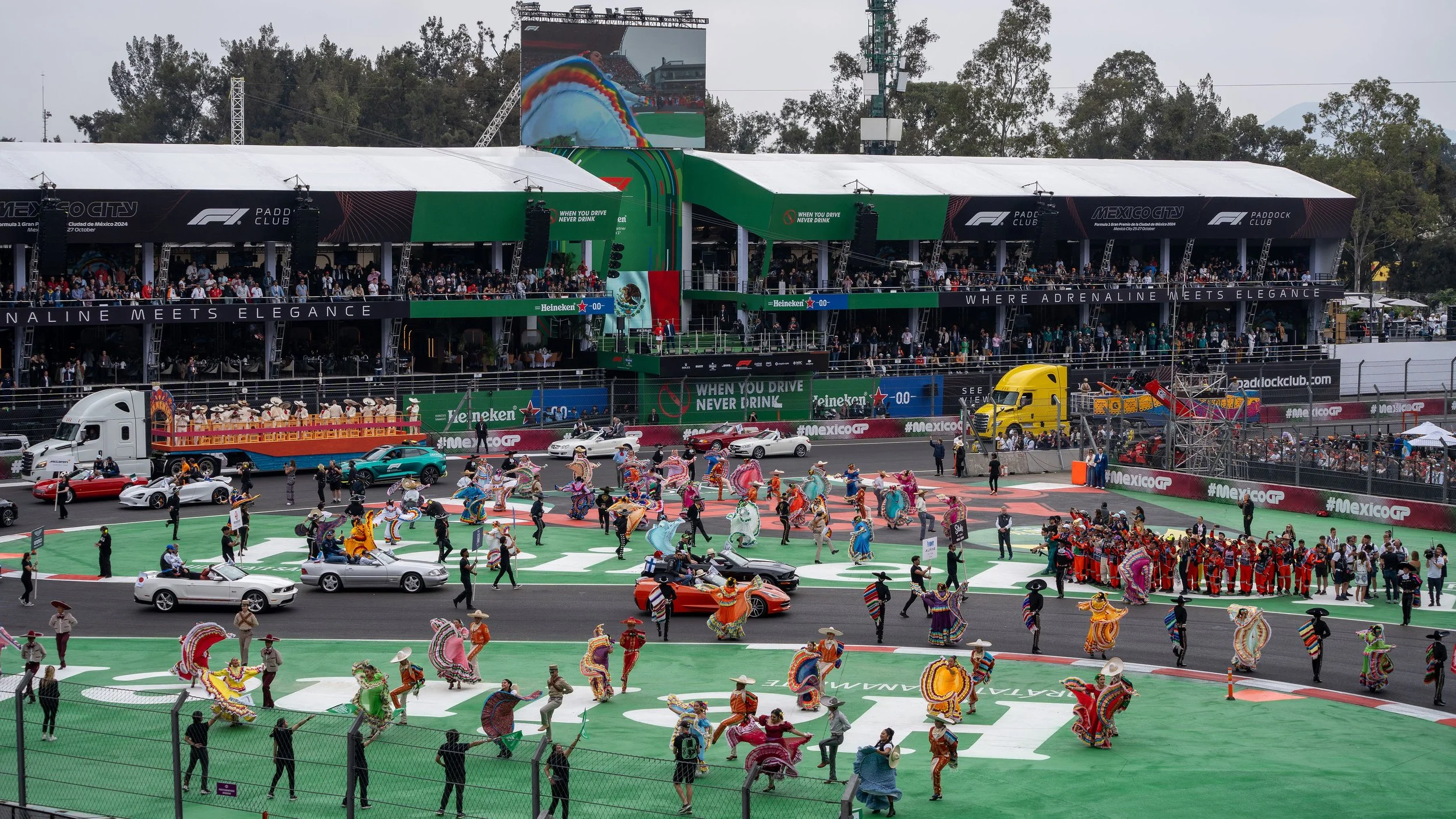
Most gates open early in the morning with support races (Formula 2, Formula 3, or other series) providing entertainment before the main event. The driver parade typically happens about two hours before the race, giving you a chance to see the drivers up close as they wave to fans from the parade vehicles.
Then comes the formation lap, the lights going out, and the start of the race. The opening lap — when 22 cars funnel into the first corner at over 200 km/h — is the single most exhilarating moment in live sport. The crowd erupts. Your heart rate spikes. It's genuinely unforgettable.
The race itself lasts roughly 90 minutes to two hours. Unlike watching on TV, you won't see the full picture of the race unfold in real time — you see the section of track in front of you, and rely on screens and the PA system for the wider story. This is actually part of the charm: you experience the raw speed, sound, and atmosphere in a way that TV simply cannot capture.
The Sensory Experience: What TV Doesn't Show You
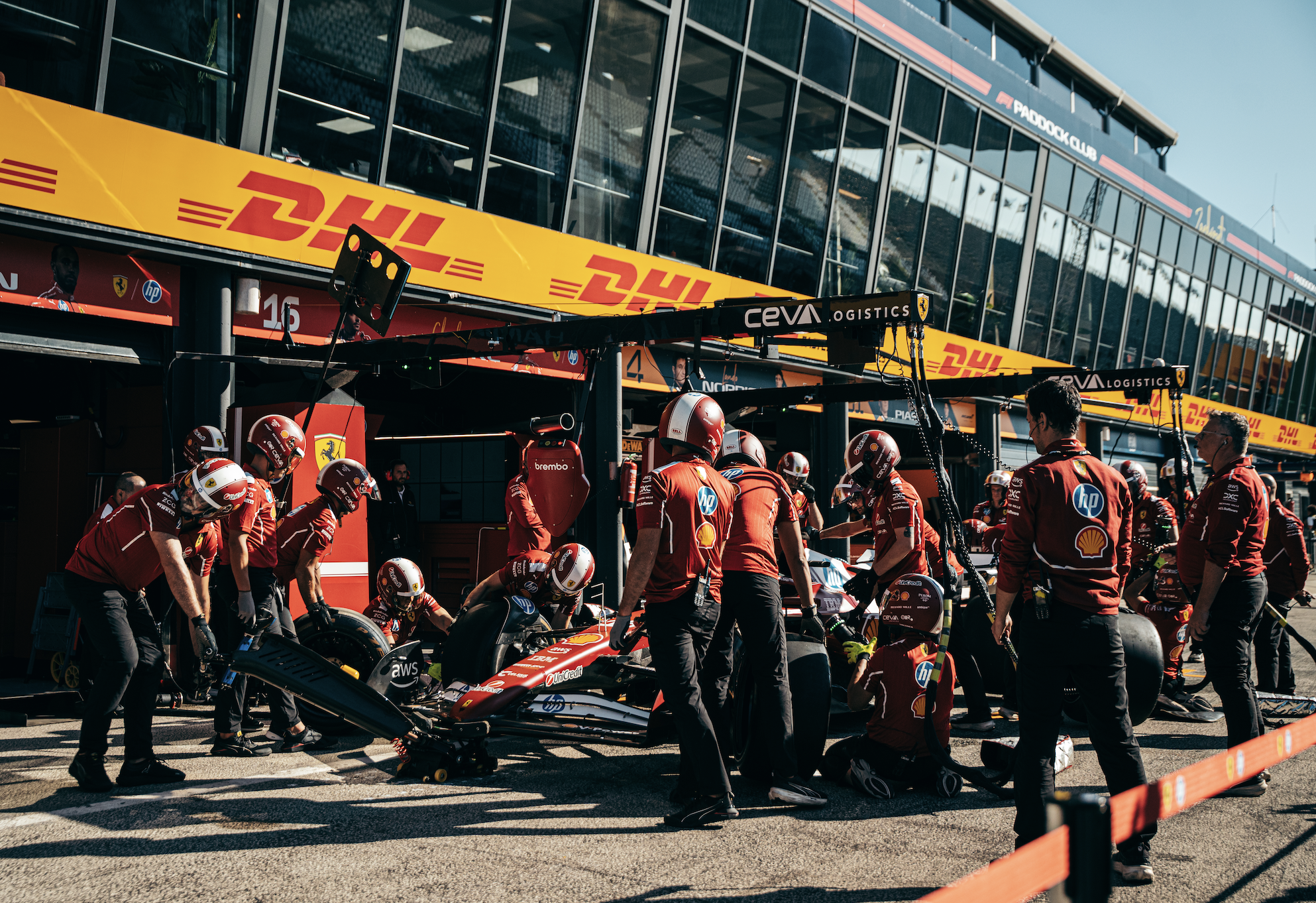
Watching F1 on television is fantastic. Attending in person is a completely different experience, and there are several things that surprise nearly every first-timer.
The sound. Modern F1 cars are loud — not quite the ear-splitting V10 era, but the 2026 power units produce a deep, complex sound that reverberates through your chest. Many people bring earplugs (and you should have a pair just in case), but most find the noise thrilling rather than uncomfortable. It's the sound of raw power, and it never gets old.
The speed. Television flattens the sense of speed. When an F1 car passes you in person at 300+ km/h, the air displacement hits you physically. Your eyes can barely track the car. It's a visceral, almost primal experience that makes you understand why these drivers are considered elite athletes.
The smell. Hot rubber, exhaust fumes, brake dust, and — if you're near hospitality areas — champagne and gourmet food. A Grand Prix engages every sense.
The community. You're surrounded by people from every corner of the planet who share your excitement. Strangers become friends. Rival fans banter good-naturedly. The shared experience of watching something extraordinary creates instant bonds.
Practical Things Nobody Tells You
Arrive early, stay late. Getting to the circuit early avoids the worst crowds and gives you time to soak in the atmosphere. Leaving immediately after the race means you'll be stuck in a human traffic jam. Instead, stay and watch the podium on the big screens, enjoy the post-race atmosphere, and leave 30-45 minutes after the checkered flag when the crowds have thinned.
Download the F1 app. The official F1 app gives you live timing, team radio, and driver tracker. It adds a layer of understanding to what you're seeing on track. Many fans watch the screens while listening to team radio through earphones — it's like having insider commentary.
Bring a portable charger. Between photos, videos, social media, and the F1 app, your phone battery will drain fast. A portable charger is essential.
Food and drink vary wildly by circuit. Some circuits have excellent food options (Singapore and Miami stand out), while others are more limited. Check the circuit website for their food and beverage policy — some allow you to bring snacks and sealed water bottles, others don't.
The weather can change everything. A rain-affected race is simultaneously the most exciting and most challenging experience as a spectator. Pack accordingly and check forecasts daily during race week. A wet qualifying session, however, often produces some of the most dramatic racing of the season.
Which Grand Prix Should Be Your First?
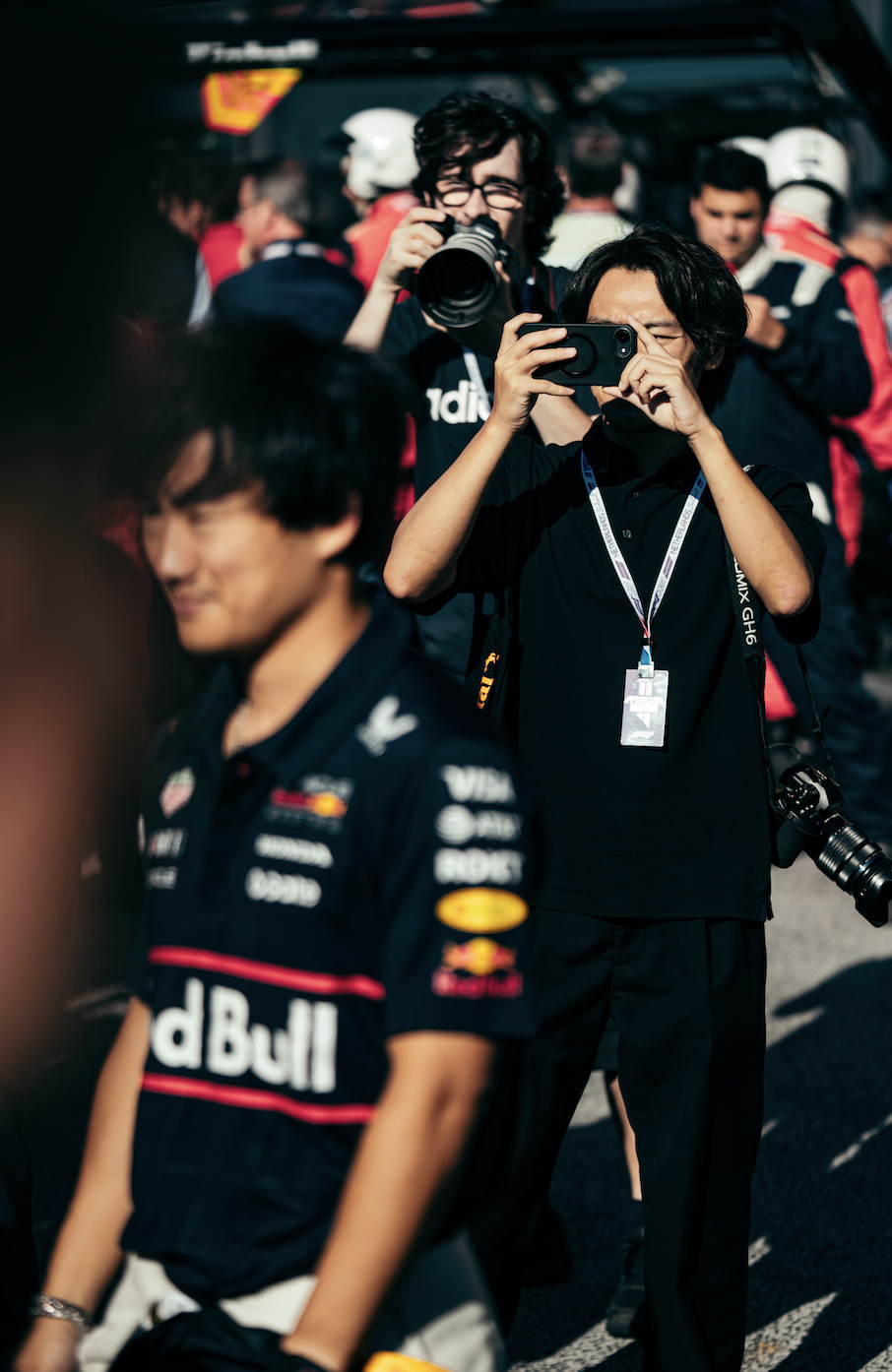
Not all races are created equal for first-timers. Here's a quick guide based on what we hear from our guests:
Best overall first race: Barcelona. Great weather, a fantastic city to explore, an iconic circuit, and a welcoming atmosphere. It hits the sweet spot of being exciting without being overwhelming. Our Barcelona Grand Prix package is one of our most recommended for newcomers.
Best for the spectacle: Singapore. The night race under the floodlights with the city skyline as a backdrop is jaw-dropping. It's a more intense experience, but unforgettable. Check out our Singapore package.
Best for Americans: Miami. No jet lag, an electric atmosphere, and a city that knows how to throw a party. Our Miami Grand Prix package is perfect if you want maximum fun with minimum travel stress.
Best for a luxury experience: Abu Dhabi. The season finale at Yas Marina combines world-class facilities with an incredible city and perfect December weather. Our Abu Dhabi package includes both Dubai and Abu Dhabi experiences.
The Emotional Arc: What No One Warns You About
Here's the truth that every first-timer discovers: attending your first Grand Prix isn't just fun — it's emotionally overwhelming in the best way. The combination of the spectacle, the sound, the community, and the sheer scale of the event creates a feeling that's hard to describe until you've lived it.
Many of our guests tell us they cried at their first race start. Not from sadness — from the sheer intensity of the experience. That moment when the lights go out and 22 cars launch forward is a sensory peak that hits differently in person.
And here's the other thing nobody warns you about: one race is never enough. Every single person we've taken to their first Grand Prix has immediately started planning their next one. It's not a hobby you pick up — it's a lifestyle you fall into.
Make Your First Race Unforgettable
Planning your first F1 trip can feel overwhelming — there are tickets to figure out, hotels to book, transfers to arrange, and a city to explore on top of the race itself. That's exactly why we created Off to the Races.
Our all-inclusive packages handle every detail so you can focus entirely on the experience. Tickets, four-star hotels, daily breakfast, transfers, cultural excursions, and a group of incredible women to share it all with — most of whom are first-timers just like you.
Browse our 2026 packages or get in touch to chat about which race is right for your first time.
