Why the 2026 Dutch Grand Prix Should Top Every F1 Fan's Bucket List
The Dutch Grand Prix is leaving Zandvoort after 2026. Five extraordinary years of orange smoke, banked corners, and one of the most electric atmospheres in motorsport — and this August is the final lap.
If you've been meaning to go, this is it. There is no "maybe next year."
August 21–23, 2026 is the last time Formula 1 will race at Circuit Zandvoort, and the organizers are sending it off properly: three days of racing action including the first-ever F1 Sprint on Dutch soil, a Martin Garrix closing set, and 100,000+ fans turning the dunes into a sea of orange for one last time.
Here's why this farewell weekend deserves a spot at the top of your bucket list — and everything you need to know to make it happen.
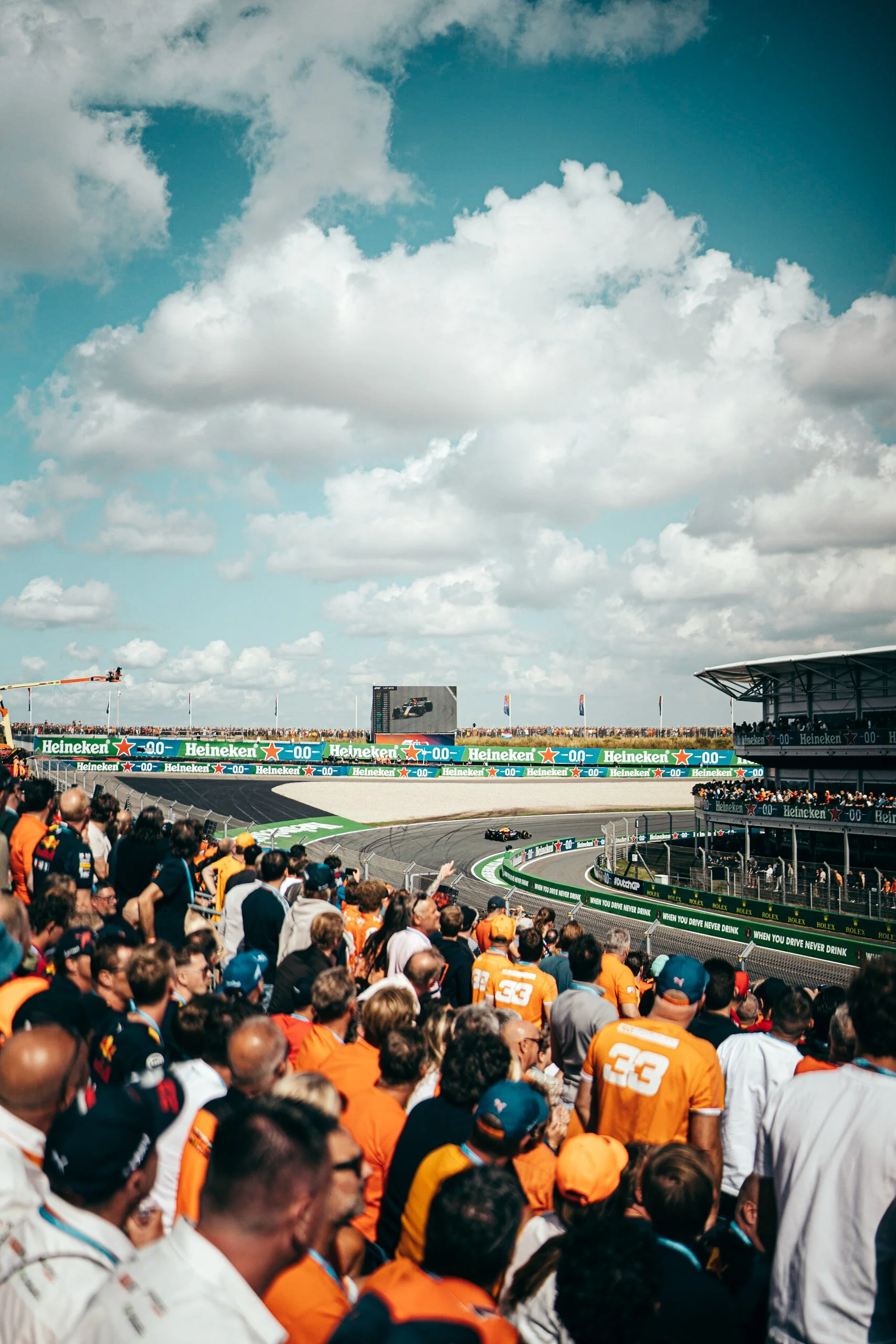
The view from the Tarzan corner grandstand — a 180-degree banked hairpin where the biggest braking duels and first-lap battles happen. This is where you want to be.
A Circuit Unlike Anything Else on the Calendar
Most modern F1 tracks are built on flat land with generous run-off areas. Zandvoort is the opposite. The 4.3-kilometer circuit was carved into the sand dunes of the Dutch coastline in 1948, and it still feels like it belongs to an older, wilder era of racing.
The layout is compact, undulating, and unforgiving. There are no easy laps here. Drivers regularly describe it as "old-school" and "crazy" — high praise in a sport that sometimes sanitizes the challenge out of its tracks.
A few things that make Zandvoort special:
The banked corners. The final turn, Arie Luyendykbocht, is banked at 18 degrees — steeper than Indianapolis. Watching cars fly through it at full speed, tilted into the banking, is genuinely thrilling. The famous Tarzanbocht (Turn 1) is a 180-degree hairpin where heavy braking and bold overtakes happen on almost every lap.
No room for error. Gravel traps line the circuit instead of paved run-off. One mistake and you're done. It makes for more dramatic, consequential racing.
The setting. You can hear the North Sea from the grandstands. The circuit sits in a national park, surrounded by dunes and coastal vegetation. It doesn't look — or feel — like any other race weekend.
2026: The Final Lap (With a First-Ever Sprint)
The 2026 edition is a sprint weekend, which means more on-track action than any previous Dutch Grand Prix. Here's what the schedule looks like:
Friday, August 21 Free Practice 1 followed by Sprint Qualifying — the drivers battle for positions in Saturday's sprint race right from day one.
Saturday, August 22 The Sprint Race in the morning (24 laps, roughly 30 minutes, no mandatory pit stops — pure racing), followed by traditional F1 Qualifying in the afternoon. Two competitive sessions in one day.
Sunday, August 23 The Grand Prix — 72 laps of the final Dutch Grand Prix at Zandvoort. Race start at 3:00 PM local time.
The sprint format means every single day of the weekend matters. There's no "skip Friday and show up Saturday" — you want to be there from the start.
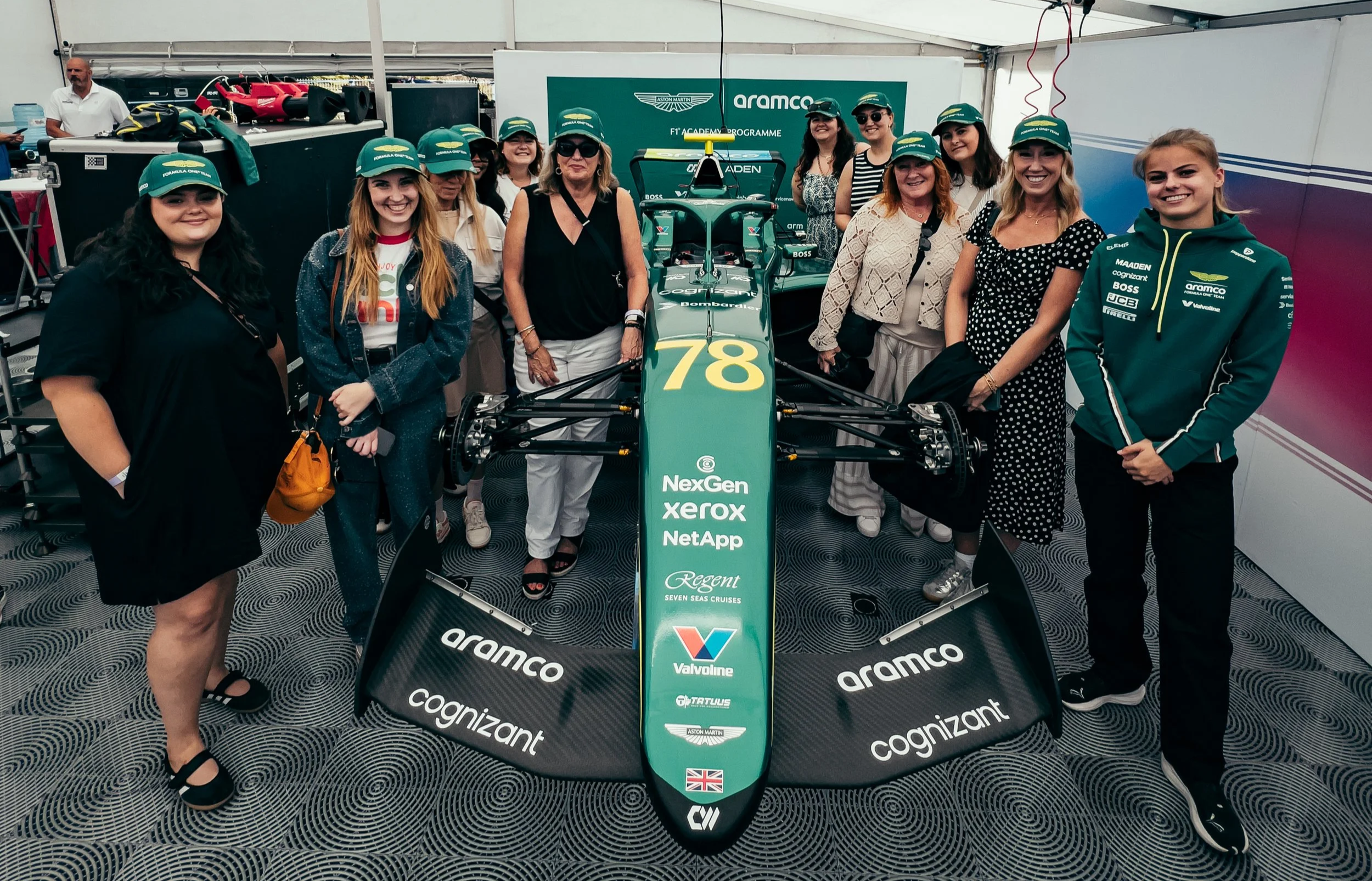
The F1 Academy paddock is open to all fans — here, OTTR guests have an exclusive meet & greet with driver Tina Hausmann, who represented Aston Martin in the series during the 2024 and 2025 seasons. This is the kind of access that doesn't exist in the F1 paddock.
F1 Academy is on Track Too
Here's something that makes this weekend even more meaningful for OTTR guests: F1 Academy — the all-female racing series — is part of the Zandvoort support program in 2026. You'll see free practice, qualifying, and two full races across the weekend, all on the same circuit, in between the F1 sessions.
F1 Academy is a Formula 4–level championship designed to develop the next generation of female racing talent. Each of the 18 cars is backed by one of the current F1 teams (McLaren, Ferrari, Mercedes, Red Bull, and the rest), and the drivers are some of the most promising young women in motorsport. The racing is competitive, close, and genuinely exciting to watch.
What makes it even better in person: unlike the F1 paddock, the F1 Academy paddock is open and accessible. You can walk right up to the cars, watch the teams work between sessions, and meet the drivers at autograph sessions throughout the weekend. It's the kind of up-close access that's nearly impossible in modern Formula 1 — and it's a fantastic way to connect with the future of the sport.
For a group of women who've traveled to Zandvoort because they love Formula 1, watching the next wave of female drivers battle it out on the same track — on the same weekend — and then actually getting to meet them face-to-face? That hits different. It's not a sideshow. It's a glimpse at where the sport is heading, and it's one of the things that makes a race weekend feel bigger than just the Grand Prix itself.
The Porsche Mobil 1 Supercup is also on the schedule, so between F1, the Sprint, F1 Academy, and Supercup, there's competitive racing on track from Friday morning through Sunday evening.
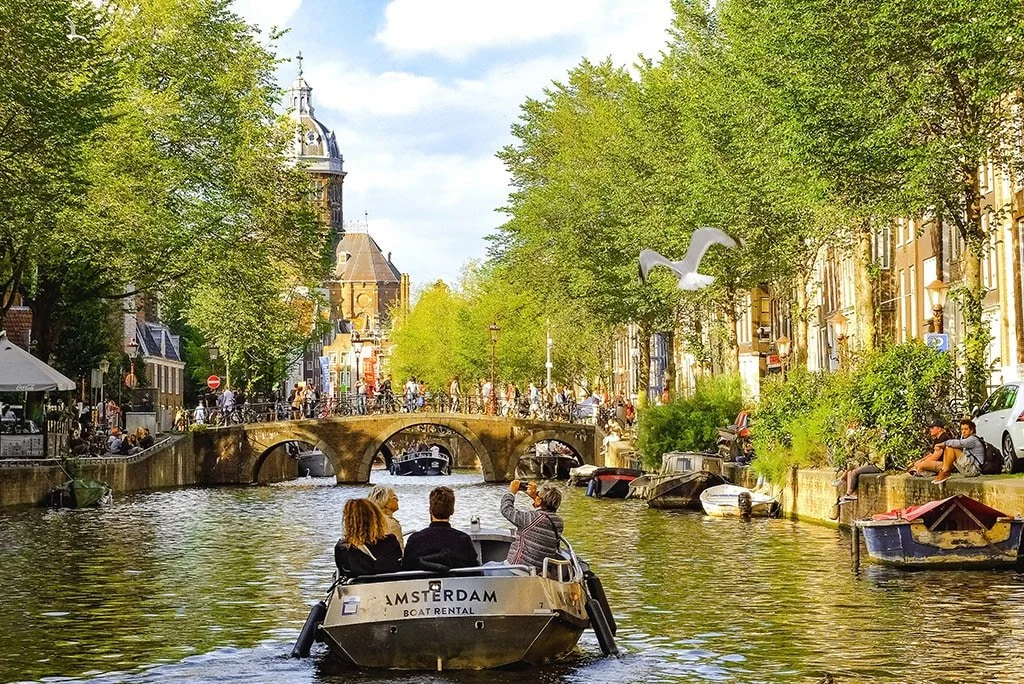
Your race weekend headquarters happens to be one of the most beautiful cities in the world.
Amsterdam: The Best Base City in Formula 1
This is one of the biggest advantages the Dutch Grand Prix has over almost every other race on the calendar: your base city is Amsterdam.
Not a purpose-built entertainment district next to the track. Not a highway hotel 45 minutes from the circuit. Amsterdam — one of the most walkable, cultural, and vibrant cities in Europe.
The Kimpton De Witt (OTTR's home base for the weekend) is in the heart of the city center, steps from Centraal Station and the Nine Streets canal district — specialty boutiques, vintage shops, cafes with canal views. You could spend an entire day wandering the neighborhood without seeing a checkered flag.
And when it's time to head to the circuit? Zandvoort is a 30-minute direct train ride from Amsterdam Centraal. That's it. No shuttle logistics, no hour-long highway crawls. You step off the train, walk along the beach promenade, and you're at the circuit entrance.
Getting to the Circuit: No Cars Allowed
Here's something that surprises first-timers: you cannot drive to Zandvoort on race weekend. The town and surrounding area are closed to cars and motorcycles entirely. It's the most sustainable race on the F1 calendar, and it's also the only Grand Prix in the world with a train station within walking distance of the track.
You have three options:
Train — The most popular choice. Direct trains run from Amsterdam Centraal every 5–10 minutes on race weekend. The ride is about 30 minutes, and the station is a short walk from the circuit gates. Buy your ticket in advance or tap your bank card.
Bike — The most Dutch option. You can cycle from Amsterdam (about 1 hour 45 minutes through flat, scenic dune paths) or from Haarlem (30 minutes). Park & Bike locations let you drive partway and pedal the last stretch through the dunes. Bike parking is available right near the circuit.
Shuttle — The Dutch Grand Prix Shuttle runs from 140+ pickup points across the Netherlands with guaranteed seats and fixed departure times. A stress-free alternative if you don't want to deal with crowded trains on the return.
The OTTR package includes luxury door to door transportation to and from the circuit on both race days, so you don't have to navigate any of this on your own.
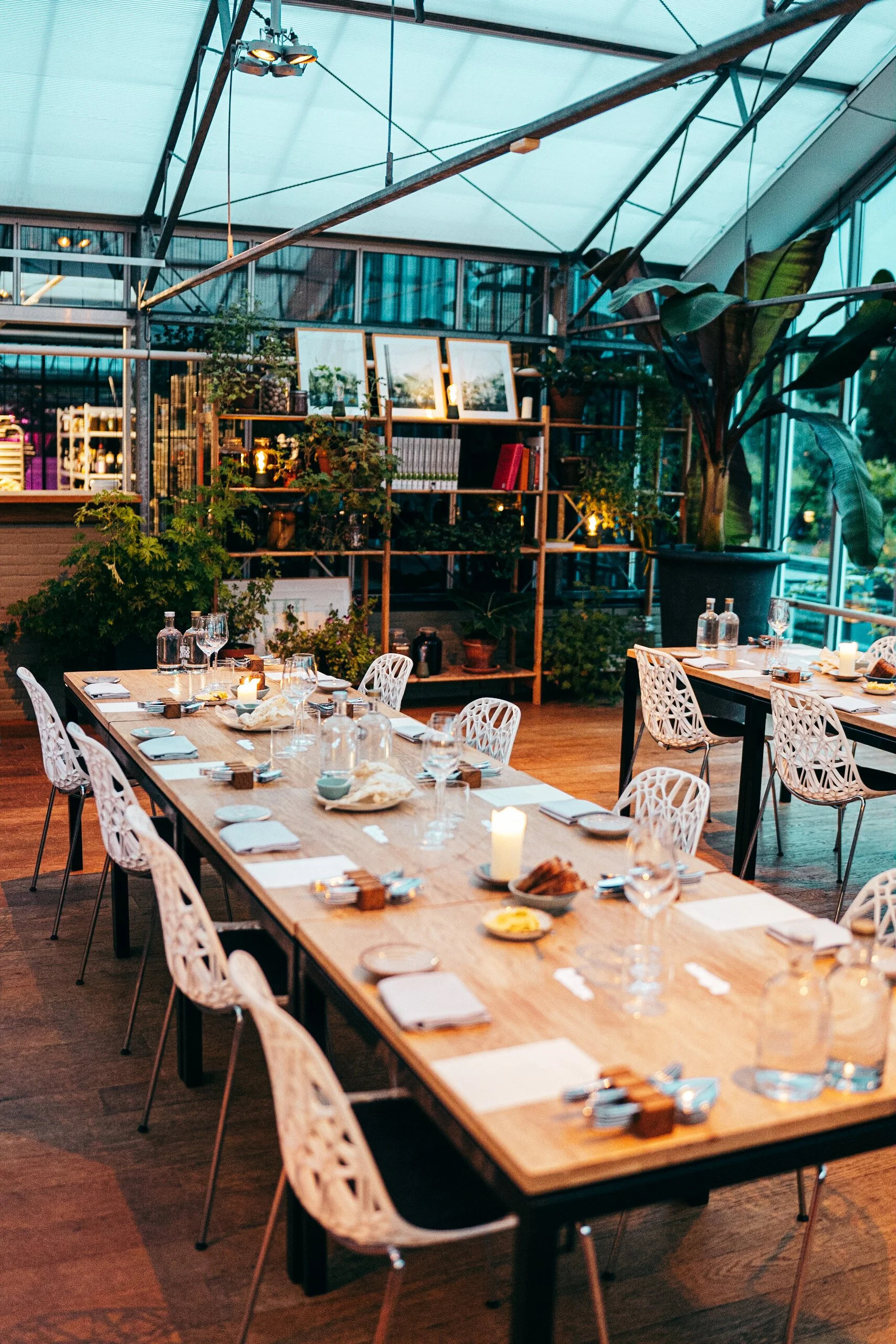
Friday night dinner at De Kas — Michelin-starred dining inside a working greenhouse.
What to Do Beyond the Track
Amsterdam barely needs an introduction, but here are the highlights that make a Grand Prix weekend here feel like more than just a race trip:
Art and culture. The Rijksmuseum, the Van Gogh Museum, and the Rembrandt House Museum are all world-class. The OTTR itinerary includes a private guided tour of the Rembrandt House plus a printmaking workshop — the kind of experience you'd never organize on your own.
Canals. A canal cruise is the quintessential Amsterdam experience, and it's even better when it includes lunch and a small group of people who share your taste for good wine and fast cars. The OTTR package includes a luxury canal cruise.
Food. Amsterdam's dining scene has quietly become one of Europe's best. Restaurant De Kas — where OTTR hosts the Friday night dinner — is a Michelin-starred restaurant set in a converted greenhouse that grows much of its own produce. Celia hosts the farewell dinner and is one of the city's most talked-about newer restaurants.
The Nine Streets. The neighborhood around the Kimpton De Witt is Amsterdam's best shopping district — independent boutiques, vintage stores, concept shops, and corner cafes that make you want to cancel your afternoon plans and just sit by the canal.
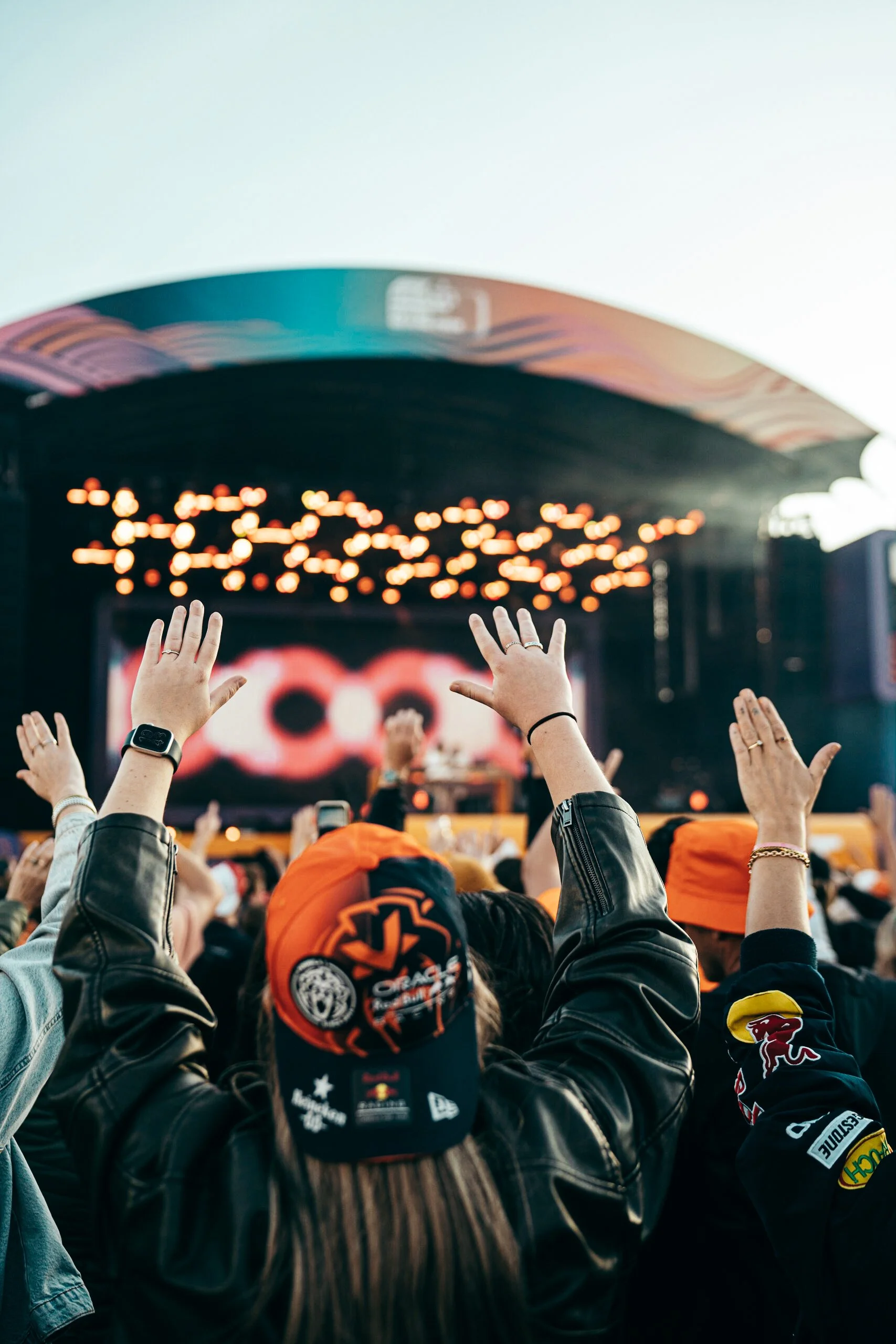
Race weekends at Zandvoort feel more like a festival than a sporting event — live music, orange everywhere, and energy that doesn't stop when the cars do.
The Orange Army Experience
If you've watched a Dutch Grand Prix on TV, you already know the atmosphere is different here. What the broadcast can't fully capture is how all-consuming it is in person.
The grandstands glow orange. Flares go off after big overtakes. The crowd doesn't just cheer — it roars, it sings, it moves as one. It's less like a sporting event and more like a festival with racing in the middle. The Fanzone behind the Arie Luyendyk corner has live music, a Ferris wheel with circuit views, merchandise, and Dutch food stalls. In 2026, Martin Garrix — one of the biggest DJs in the world and a Dutchman — closes the weekend with a post-race set on Sunday.
Even if you're not a Max Verstappen fan going in, you'll understand the energy. It's infectious.
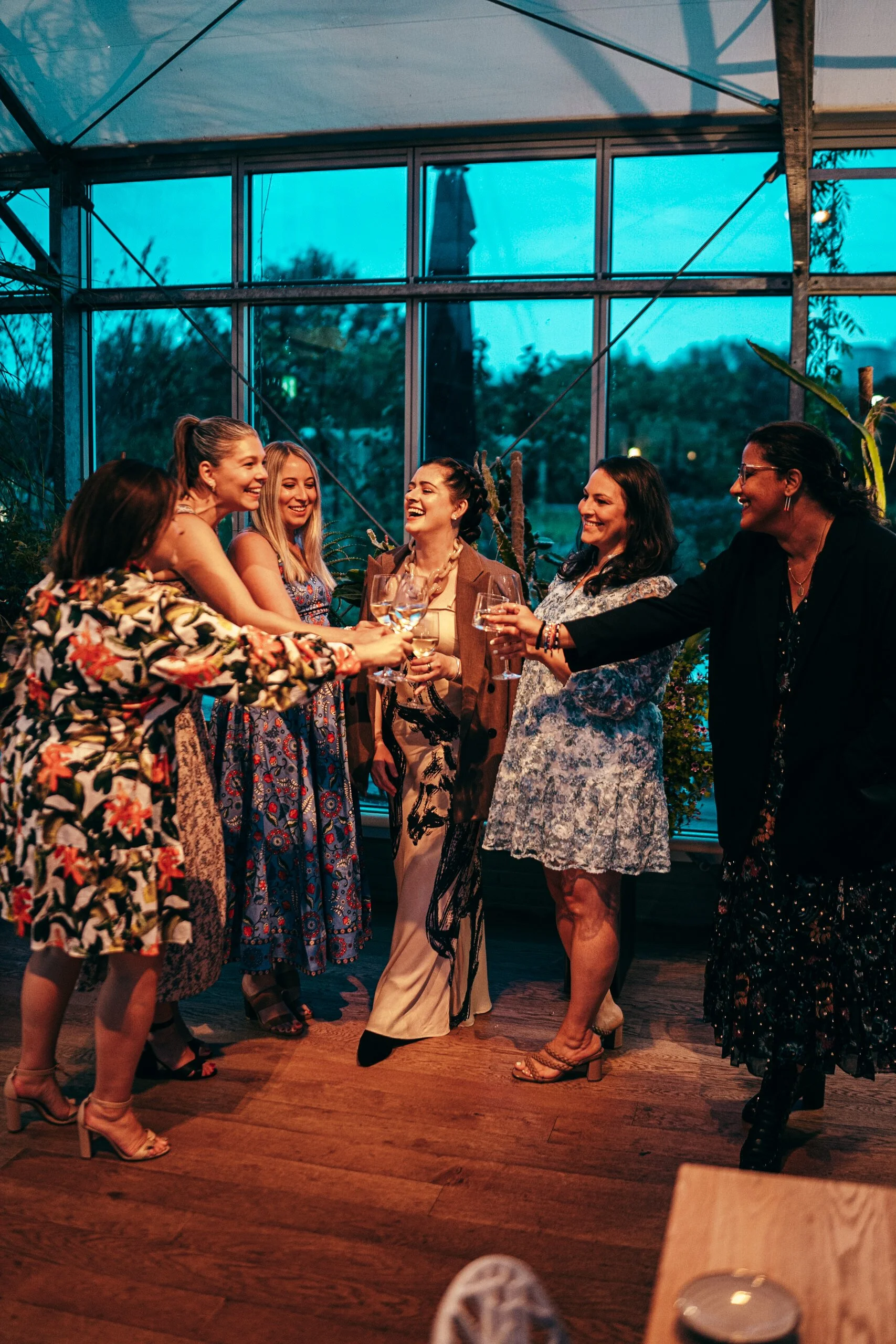
The OTTR Dutch Grand Prix Package
OTTR has 1 final spot for the 2026 Dutch Grand Prix weekend. Here's what's included:
Thursday, August 20 Check in to the Kimpton De Witt in central Amsterdam. Pit Lane Walk and Welcome Cocktail Party to kick off the weekend.
Friday, August 21 Private guided tour of the Rembrandt House Museum and printmaking workshop. Luxury canal cruise with lunch. Dinner in the private dining room at Michelin-starred Restaurant De Kas.
Saturday, August 22 Wellness session in the morning. Luxury transportation to Circuit Zandvoort. All-day access to a Premium Hospitality area with a dedicated grandstand seat. Sprint Race and Qualifying.
Sunday, August 23 OTTR Glam Room access. Luxury transportation to the circuit. Premium Hospitality and grandstand seat. The final Dutch Grand Prix. Martin Garrix post-race concert. Farewell dinner at Celia.
Package price: €7,000 (single occupancy, private room, 4 nights)
Packages do not include flights, airport transfers, private ground transportation, incidentals, or additional gratuities. Questions? Check out the Amsterdam FAQs or send us a message.
Why This One Can't Wait
Let's be direct: there are 24 races on the 2026 F1 calendar. You could go to any of them. But here's why Amsterdam and Zandvoort deserve the top spot:
It's the last one. Zandvoort's contract ends after 2026. The organizers have called it "The Final Lap." Once this weekend is over, the Dutch Grand Prix leaves the calendar for the foreseeable future. If you don't go now, you don't go.
The sprint format is new for Zandvoort. 2026 is the first time the Dutch Grand Prix has ever hosted a sprint weekend. More on-track action, more competitive sessions, more racing.
Amsterdam is the best base city in F1. World-class museums, Michelin dining, canal-side neighborhoods, and a 30-minute train ride to the circuit. No other race weekend combines this quality of city with this quality of track.
The atmosphere is unmatched. The Orange Army, the beachside setting, the dune-lined circuit, the no-cars policy that turns the whole experience into something closer to a festival than a traffic-choked race day. There's truly nothing like it.
There's 1 spot left with OTTR. Four nights, premium hospitality, curated excursions, the best restaurants in Amsterdam, and a built-in group of women who love F1. No logistics to figure out. Just show up.
